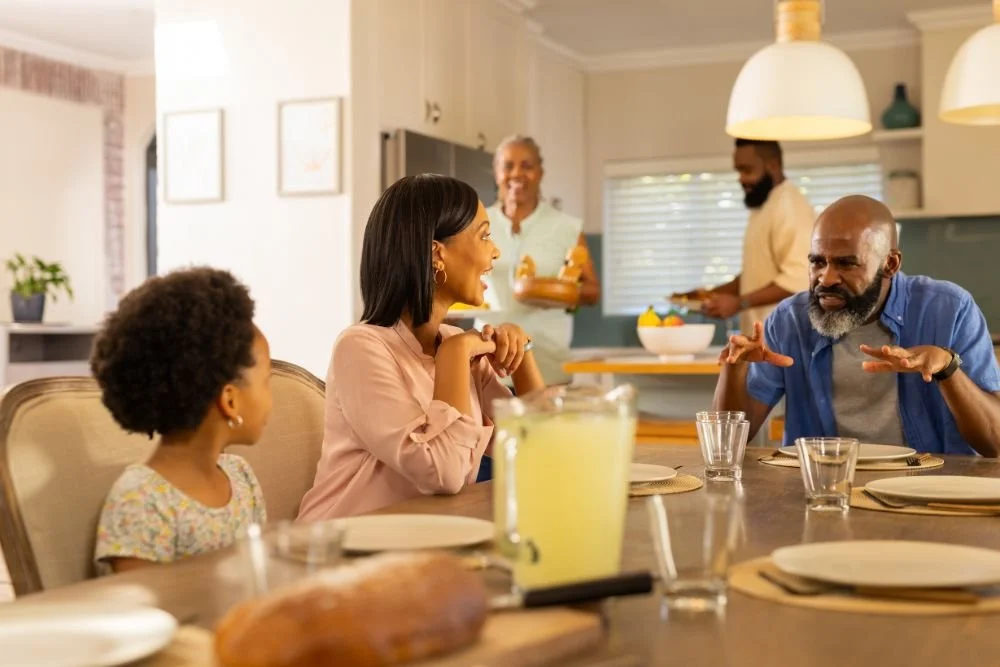
Creating a harmonious living space for/with/amongst multigenerational families requires careful planning. A successful home should cater to/accommodate/suit the needs/requirements/desires of everyone, from energetic children to older adults. This involves/encompasses/requires adaptable/flexible/versatile design choices/solutions/options that promote/foster/encourage a sense of comfort/well-being/ease.
Consider/Think about/Evaluate features like accessible/easy-to-navigate/user-friendly layouts, universal/multipurpose/adaptable furniture, and safe/secure/protected environments to ensure everyone feels valued/respected/appreciated.
- Utilize/Employ/Harness open concept floor plans for easy interaction/communication/connection.
- Create/Design/Develop designated spaces that cater/appeal/resonate to different age groups, providing/offering/granting areas for quiet/rest/relaxation and activity/engagement/play.
- Incorporate/Integrate/Include assistive technologies like grab bars and adjustable/modifiable/customizable lighting to support/assist/aid individuals with mobility challenges/issues/limitations.
By prioritizing/emphasizing/focusing on the unique/specific/individual needs of each generation, you can transform/convert/modify your home into a truly harmonious/cohesive/unified space where everyone feels loved/cared for/supported.
Creating Functional Spaces for Every Generation
In today's diverse world, it's crucial to craft functional spaces that suit the unique needs of every generation. From active play areas for children to tranquil retreats for seniors, thoughtful planning| creates environments where individuals of all ages can thrive. A well-designed home or workspace should offer a blend of usefulness and visual appeal, guaranteeing that every generation feels comfortable.
- Incorporate technology to improve the living experience for all generations.
- Emphasize accessibility features to enable individuals with diverse capacities.
- Promote multi-generational interaction through shared spaces.
Constructing a Home That Flows with Life Stages
Building a home is more than just creating walls and a roof; it's about designing a space that transitions with your family's changing needs. As life unfolds, expectations shift, and your home should be flexible enough to accommodate these evolutions.
Consider a design that seamlessly incorporates spaces for multiple stages of life. A versatile floor plan can shift from a space for kids to a serene retreat for adults. Incorporate designs that enhance connectivity while also providing privacy when needed.
Ultimately, the key to designing a home that flows with life stages is planning. By thinking your current circumstances and future goals, you can design a space that truly reflects your evolving lifestyle.
Smart Solutions for Diverse Living Comfort
Creating a harmonious living environment for multiple generations can be a truly rewarding experience. Embracing smart technology, families can unlock unprecedented comfort and convenience. Think about smart home hubs that seamlessly manage lighting, temperature, and safety to cater to the diverse needs of each generation. Automated appliances can simplify daily tasks, freeing up time for shared activities and strengthening family bonds. Furthermore, smart entertainment systems can deliver personalized content for all ages, fostering a sense of togetherness and enjoyment.
- Enhance communication with connected video calling solutions that bridge the gap between generations.
- Encourage independence for older adults through smart health monitoring systems that identify potential issues and ensure peace of mind.
- Improve energy efficiency with smart thermostats that learn from usage patterns and efficiently adjust settings.
Maximizing Space
In today's world, space is a precious commodity. Whether you're living in a compact apartment or simply wanting to create a more functional home, making the most of your allocated space can be a task. Thankfully, there are several simple Fort Lauderdale home value estimation tips and tricks you can use to improve your space and create a more inviting living environment.
- To begin with removing items you no longer require. This will instantly open up space and make your home feel more roomy.
- Secondly, explore furniture that serves many purposes. Think of a sofa bed or a coffee table with drawers.
- In conclusion, don't forget the power of using walls. Shelves, hooks, and wall-mounted organizers can help you to store items off the surface, creating more usable space.
Building Bridges, Not Walls: Multigenerational Home Design Tips
Multigenerational home design is gaining popularity as families opt for to live together in a harmonious environment. This trend presents both challenges and rewards, especially when it comes to designing practical spaces that cater the unique needs of multiple generations.
One essential aspect of multigenerational home design is creating distinct yet shared living areas. This allows for both alone time and opportunities for togetherness. Consider incorporating specific bedrooms or suites for each generation, while also creating shared spaces like a dining area that promote family gatherings.
Another significant consideration is providing accessibility for all individuals. This may involve modifications such as wider doorways, non-slip flooring, and easy-to-reach appliances. By considering accessibility, you can create a home that is both user-friendly for everyone.
Ultimately, multigenerational home design requires a deliberate approach to harmony. By building bridges between generations, you can foster a sense of togetherness and create a rewarding living experience for all.